

In the era of technology empowering education, enlightenment education has long transcended the boundaries of traditional books and classrooms, moving towards a more practical and interesting immersive experience. As an intelligent carrier integrating multidisciplinary knowledge such as mechanics, electronics, programming, and physics, drone toys are no longer just a form of entertainment, but have become an important bridge connecting children’s interests with scientific enlightenment. With the unique model of “learning through play”, they empower children’s growth in observation, thinking, practical ability and other aspects, demonstrating irreplaceable educational value in enlightenment education.
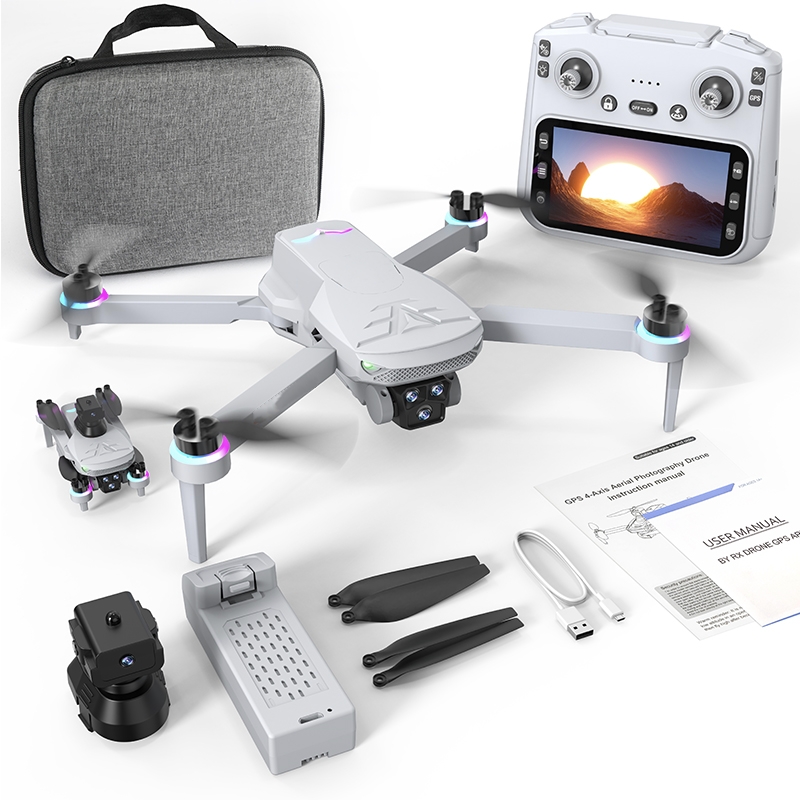
The core enlightenment value of drone toys lies in igniting the enthusiasm for scientific exploration, breaking down the barrier between theory and practice, and making abstract science and mathematics knowledge tangible and perceptible. For children, tedious formulas and principles are difficult to stimulate learning interest, but every take-off, hovering, and turning of a drone is a vivid science practical lesson. When operating a drone, children will intuitively feel the principles of aerodynamics—how the design of the wings generates lift and how the tail maintains balance, which is a concrete presentation of Bernoulli’s principle; when adjusting the flight height and speed of the drone, they will imperceptibly come into contact with the mathematical relationship between distance, speed, and time, cultivating basic quantitative thinking; when assembling a simple drone kit, they can also understand the functions of electronic components such as motors, sensors, and batteries, and learn the basic logic of circuit connection, laying the foundation for the enlightenment of physics and electronic disciplines. As shown in the research of the Reliable Flight Control Research Group of Beihang University, drones, as a new type of educational robot, enable children to come into contact with core knowledge in the STEM field through independent operation, stimulate their desire to explore science, and break the cognitive barrier that “science and technology are profound and difficult to understand” .
Secondly, drone toys can effectively exercise diverse core abilities and promote the all-round development of comprehensive quality, which is also the core goal of enlightenment education. In the process of operating a drone, children need to observe the flight status with their eyes, flexibly operate the remote control with their hands, and quickly judge the flight path and adjust in time with their brains. This high coordination of “hands, eyes and brain” can significantly improve hand-eye coordination, reaction speed and concentration. Especially when flying in a complex environment or completing simple tasks, children need to concentrate on avoiding obstacles and overcoming external interference. Long-term practice can cultivate a rigorous and careful attitude towards work. At the same time, drone flight is inevitably accompanied by problems such as “crashing”, signal interruption, and debugging failure. In the process of troubleshooting, repairing equipment, and re-testing, children will learn to face setbacks, analyze problems, and solve problems, and gradually improve their ability to resist setbacks and resilience. This kind of “learning through trial and error” is more educational than simple preaching. In addition, advanced programmable drones allow children to set flight paths and complete tasks such as formation flight through graphical programming. In the process of designing programs, debugging and optimizing, logical thinking, innovative thinking and problem-solving ability will be further exercised.
Drone toys can also expand cognitive horizons, cultivate innovative thinking and a macro perspective, helping children form a diverse cognition. From a traditional perspective, children’s observation range is limited to the ground, but the aerial photography function of drones can provide children with a “God’s perspective”, allowing them to overlook familiar campuses, streets, and natural landscapes from high altitudes, feel the changes in spatial layout, and gradually cultivate spatial perception ability and macro thinking. Many children are not satisfied with basic operations and will take the initiative to explore extended ways of playing with drones—recording life with aerial photography, designing creative flight modes with programming, and even trying to modify drone accessories. This process of independent exploration is the incubation process of innovative thinking. For example, in the drone clubs of some schools, children will form teams to complete tasks such as drone aerial photography creation and simulated rescue, explore the diverse applications of drones in practice, which not only expands the cognitive boundary but also cultivates the sense of innovation. At the same time, as the core carrier of the current low-altitude economy, drones are widely used in fields such as agricultural plant protection, logistics and distribution, and emergency rescue. In the process of contacting drones, children can understand the application scenarios of cutting-edge technology in advance, broaden their horizons, and establish the concept that science and technology change life.
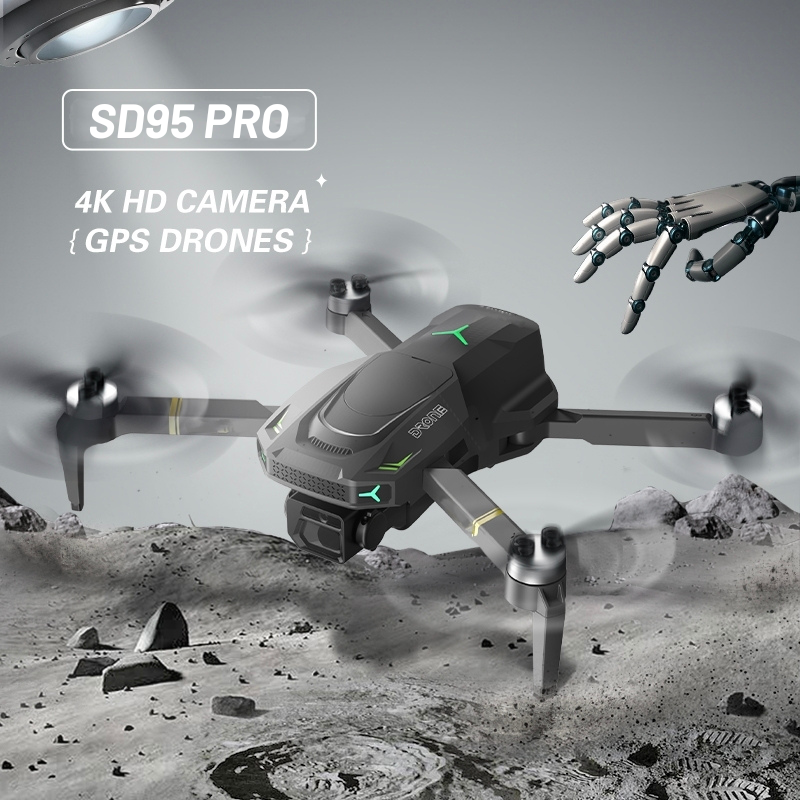
In the cultivation of teamwork and rule awareness, drone toys also play an important enlightenment role. In collective activities such as drone competitions and formation flights, children need to divide labor and cooperate—some are responsible for flight control, some for programming and debugging, and some for task planning. Members need to communicate efficiently and cooperate closely to complete the established goals. This process of cooperation can make children understand the significance of the team, learn to listen to others’ opinions, give play to their own advantages, and improve their communication ability and teamwork ability. At the same time, flying a drone requires abiding by certain rules, such as flying in designated airspace, staying away from crowds and sensitive areas, and complying with flight safety norms. In long-term practice, children will gradually develop the awareness of abiding by rules and respecting safety. The cultivation of this rule awareness is of great significance for their future study and life.
It is worth noting that the enlightenment value of drone toys can only be fully exerted with age-appropriate selection and correct guidance. Children of different ages should choose suitable drone models—younger children can choose entry-level models that are easy to operate and have safety protection, focusing on exercising hand-eye coordination; older children can try programmable and DIY assembly drones to explore scientific and technological principles in depth. At the same time, the guidance of parents and teachers is crucial. They should encourage children to take the initiative to explore and try boldly, and at the same time guide them to think about the scientific principles behind the flight, transforming entertainment interests into learning motivation, and avoiding simply pursuing operational fun while ignoring the essence of enlightenment. Today, many schools have incorporated drones into school-based courses or interest clubs. Through systematic teaching and competition practice, drones have become an important carrier of science and innovation education, helping children improve their comprehensive quality and lay the foundation for their future involvement in the STEM field.
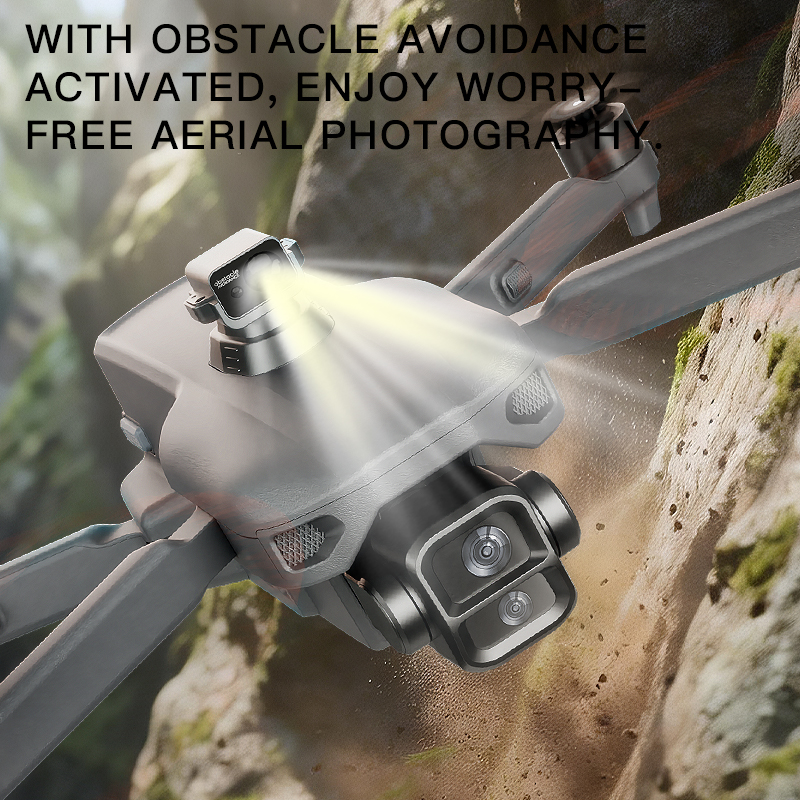
In a word, drone toys have long surpassed the nature of “toys” and become a new type of teaching aid for enlightenment education. With interest as the entry point, it integrates scientific and technological knowledge, practical ability and thinking training into play. It not only ignites children’s enthusiasm for scientific exploration, exercises diverse core abilities, but also expands cognitive horizons and cultivates rule awareness and team spirit. In today’s era of advancing quality-oriented education, making rational use of the enlightenment value of drone toys can help children explore the world and improve themselves happily, cultivate future talents with scientific literacy, innovative thinking and practical ability, and inject new vitality and possibilities into enlightenment education.